
The Debate Over Government Surveillance and Privacy Rights
Security vs. Privacy in the Digital Age
Few political debates have grown as rapidly in the modern era as the tension between government surveillance and individual privacy rights. As technology has advanced, governments have gained new tools to monitor communications, track financial transactions, and analyze vast amounts of digital data.
Supporters of surveillance programs argue that these tools are essential for protecting national security and preventing crime. Critics warn that expanded monitoring powers can threaten civil liberties and erode personal privacy.
The debate has intensified as smartphones, social media, and digital communication have become central parts of daily life. What once required physical wiretaps or extensive investigations can now involve large-scale data collection and algorithmic analysis.
Balancing the need for security with the protection of individual freedoms has become one of the defining policy challenges of the digital age.
How Surveillance Powers Expanded
Modern surveillance programs expanded dramatically in the years following the September 11, 2001 terrorist attacks. In response to national security concerns, Congress passed legislation that broadened intelligence agencies’ authority to collect certain forms of communication data.
One key law was the USA PATRIOT Act, which allowed federal agencies to conduct surveillance aimed at detecting terrorist activity and preventing future attacks.
According to reports from the Congressional Research Service, intelligence agencies gained expanded authority to access communication records and track connections between suspected threats.
Supporters argued that these tools helped disrupt terrorist networks and strengthen national security.
However, civil liberties groups warned that the expanded powers lacked sufficient oversight and could be used to collect data on ordinary citizens.
The Snowden Revelations
The surveillance debate intensified in 2013 when former National Security Agency contractor Edward Snowden released classified documents detailing large-scale government data collection programs.
Reporting by The Washington Post and The Guardian revealed that the NSA had collected metadata from millions of phone calls and monitored global internet communications through programs such as PRISM.
The revelations sparked international controversy and raised questions about how much authority intelligence agencies should have to gather information.
According to analysis from the American Civil Liberties Union, the disclosures triggered renewed calls for stronger privacy protections and greater transparency surrounding government surveillance activities.
In response, Congress later passed the USA Freedom Act, which limited certain forms of bulk data collection and introduced additional oversight measures.
Technology Is Changing the Debate
Advances in digital technology continue to reshape the surveillance conversation. Modern tools such as facial recognition software, artificial intelligence, and large-scale data analytics allow governments to analyze information in ways that were impossible just a decade ago.
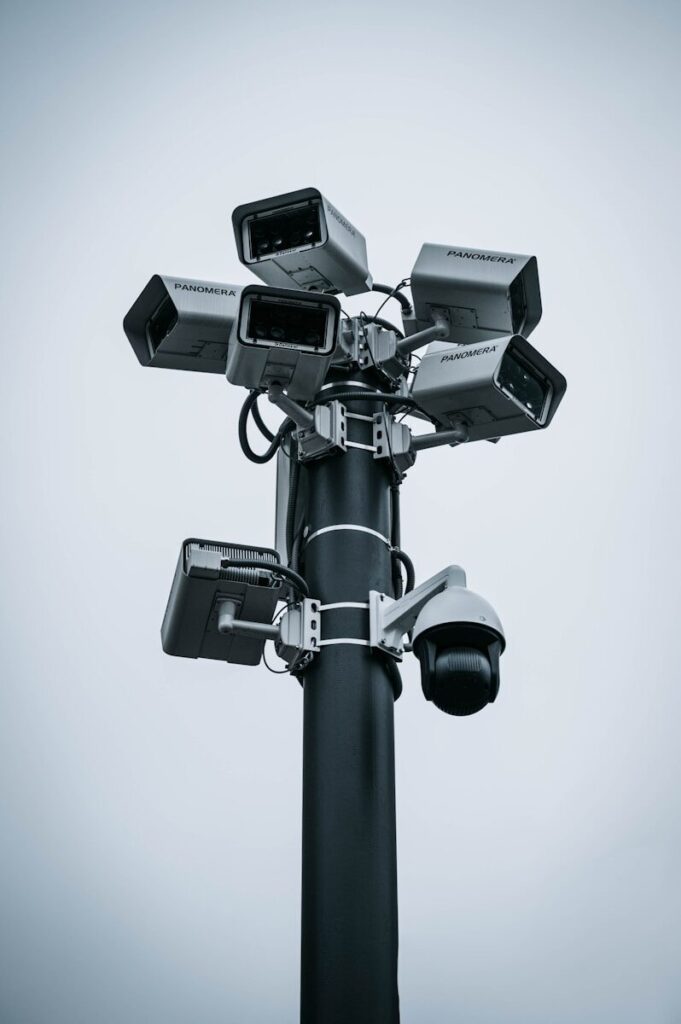
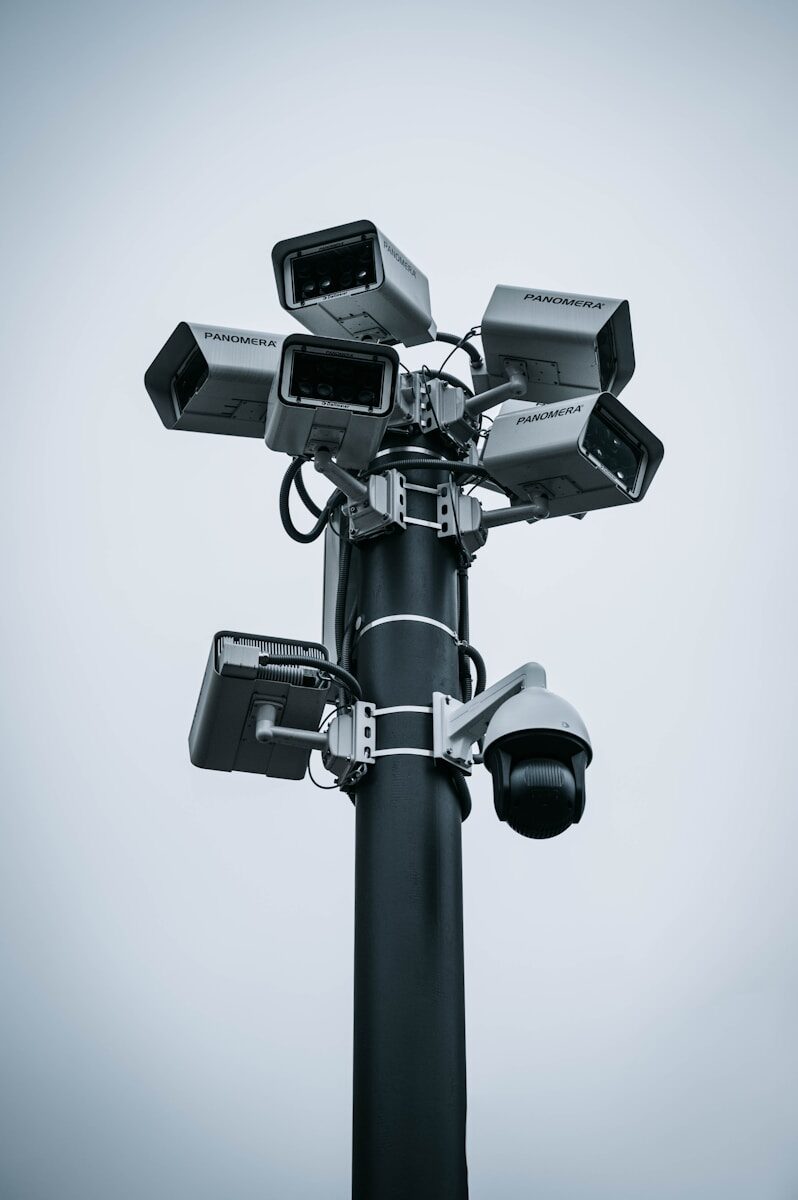
Research published by the Brookings Institution notes that facial recognition systems can now identify individuals in crowds by analyzing images from security cameras.
Law enforcement agencies argue that these technologies can help locate missing persons, identify criminal suspects, and improve public safety.
However, privacy advocates warn that widespread use of these tools could create systems capable of tracking individuals’ movements and activities without their knowledge.
Calls for Stronger Privacy Protections
Civil liberties organizations have pushed for stronger legal protections to safeguard personal privacy.
Groups such as the Electronic Frontier Foundation argue that surveillance technologies must be governed by clear rules to prevent misuse and protect constitutional rights.
Several states have already introduced laws restricting the use of facial recognition technology by government agencies.
According to the National Conference of State Legislatures, multiple states have passed legislation requiring warrants or additional oversight before certain digital surveillance tools can be used.
These measures reflect growing public concern about how technology affects privacy.
A Balance That Remains Unresolved
The debate over government surveillance and privacy rights remains unresolved. National security agencies continue to emphasize the importance of intelligence gathering in preventing threats, while privacy advocates stress the need for strong protections against government overreach.
As technology evolves and new monitoring tools emerge, policymakers will continue grappling with how to balance security and civil liberties.
The outcome of that debate will likely shape the future relationship between citizens and the digital systems that increasingly surround everyday life.