
The Debate Over Assault Weapon Bans: What Supporters and Critics Say

Few issues in American politics spark as much controversy as gun control, and the debate over so-called “assault weapon” bans remains one of the most polarizing topics in the discussion. Supporters of these laws argue that restricting certain semi-automatic firearms could help reduce the severity of mass shootings. Critics, however, contend that such bans target firearms commonly owned by millions of law-abiding Americans and may conflict with constitutional protections.
The debate has persisted for decades. The United States previously enacted the Federal Assault Weapons Ban in 1994, which prohibited the manufacture of certain semi-automatic firearms and magazines holding more than ten rounds. That law expired in 2004, and Congress has repeatedly debated whether similar restrictions should be reinstated. According to the Congressional Research Service, legislative proposals regulating semi-automatic rifles and magazine capacity continue to surface in Congress and in state legislatures.
Today, several states maintain their own assault weapon restrictions, while others have passed laws protecting access to such firearms. The result is a patchwork of regulations that vary significantly across the country.
What Supporters of Assault Weapon Bans Argue
Supporters of assault weapon bans typically focus on public safety concerns. Advocates argue that certain firearms—particularly those capable of accepting detachable magazines and rapid reloading—can allow shooters to fire many rounds in a short period of time.
Organizations advocating for gun regulation often point to high-profile mass shootings involving semi-automatic rifles as evidence that stricter laws could reduce casualties during violent incidents. According to research cited by the Giffords Law Center to Prevent Gun Violence, bans on certain firearm features and high-capacity magazines are intended to limit the lethality of attacks.
Supporters also argue that restricting the sale of certain firearms could reduce the availability of weapons that have been used in multiple mass shootings. Some lawmakers believe these restrictions could provide law enforcement and policymakers with additional tools to address gun violence.
Public opinion surveys show that many Americans support some form of firearm regulation. However, opinions often vary depending on how specific policies are described and how they might affect existing gun owners.
What Critics Say
Opponents of assault weapon bans argue that such laws often focus on cosmetic features rather than functional differences between firearms. For example, many rifles targeted by assault weapon bans are semi-automatic firearms that operate similarly to other legal hunting or sporting rifles.
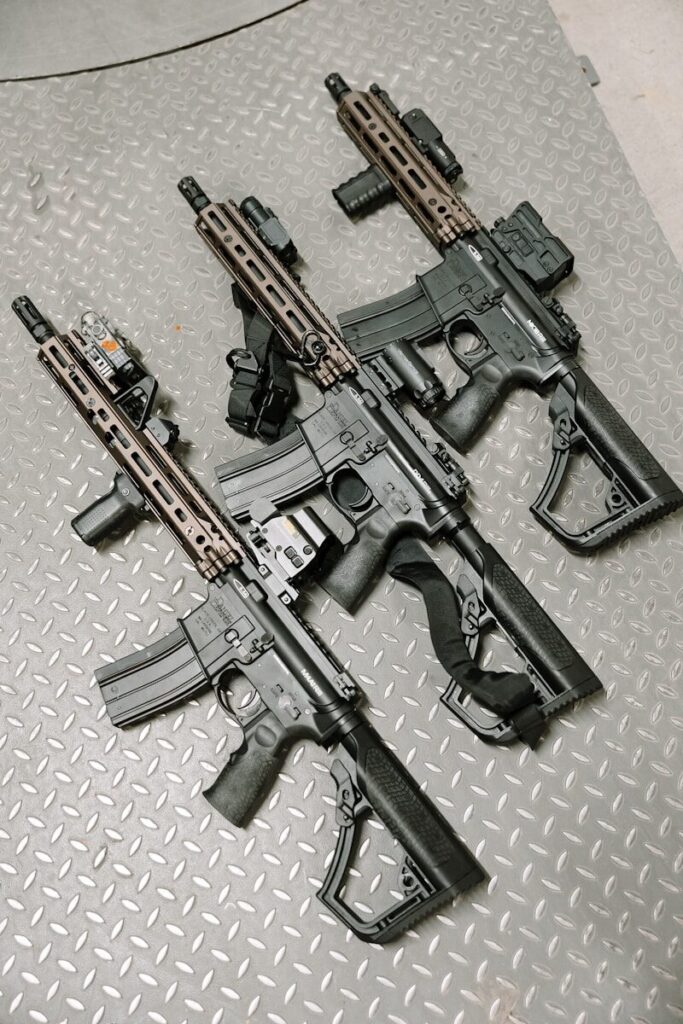
Gun rights advocates also emphasize that modern sporting rifles, including the widely known AR-15 platform, are owned by millions of Americans and are commonly used for recreational shooting, competitions, and hunting.
According to estimates cited by the National Shooting Sports Foundation, tens of millions of modern sporting rifles are currently owned by civilians in the United States.
Critics also argue that banning certain firearms does not address the underlying causes of violent crime. Instead, they say policymakers should focus on mental health, law enforcement resources, and existing criminal laws.
Another major argument centers on constitutional rights. Many gun rights advocates believe assault weapon bans violate the Second Amendment, which protects the right to keep and bear arms.
Recent court decisions have intensified these debates. In several cases, federal courts have reviewed firearm regulations using new legal standards related to the historical interpretation of gun laws.
A Legal and Political Battle That Continues
Because the issue involves both public safety concerns and constitutional rights, the debate over assault weapon bans remains highly complex.
Lawmakers continue to introduce legislation at both the federal and state levels, while courts examine the legality of existing restrictions.
For supporters of gun control, the goal is to reduce gun violence and improve public safety. For opponents, the issue centers on protecting constitutional freedoms and preventing government overreach.
As long as these competing priorities remain unresolved, the debate over assault weapon bans is likely to remain one of the most contentious political issues in the United States.